Radon Testing & Mitigation FAQ
Answers from your local radon experts in Rapid City, SD.
South Dakota has the highest average indoor radon levels in the US. Rapid City and Pennington County consistently test above the EPA action level of 4 pCi/L. The state average is over 9 pCi/L. Testing and mitigation are strongly recommended for all homes.
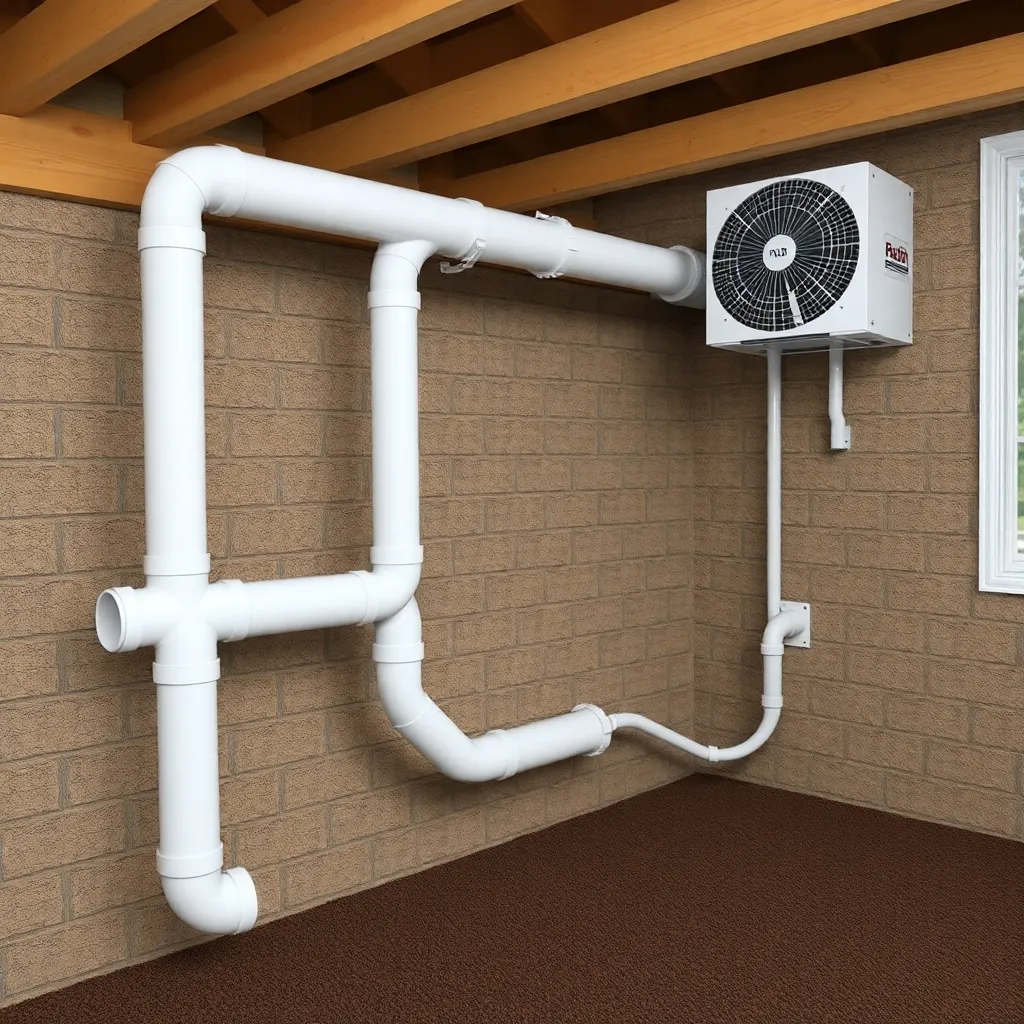
Radon mitigation in Rapid City typically costs $800–$1,400 for a standard system. Cost depends on foundation type and radon concentration. We include follow-up testing to confirm results.
Most installations are completed in a single day — typically 4–6 hours. Your home is safe to use immediately after. Post-mitigation testing is done 24–48 hours later.
Yes — we serve all of the Black Hills region including Rapid City, Box Elder, Summerset, Black Hawk, Sturgis, Spearfish, Belle Fourche, and into the surrounding counties.
South Dakota does not legally require radon testing for home sales, but most buyers request it. We provide certified pre-sale testing and fast turnaround. Mitigation before listing often increases sale price.