Proven Radon Mitigation for Rapid City Homeowners
Radon mitigation is the process of reducing elevated radon gas concentrations inside your home to safe levels. When a radon test reveals levels at or above the EPA action level of 4 pCi/L, a professionally designed and installed mitigation system is the only reliable solution. In Rapid City and across Pennington County, where the average home tests well above that threshold, mitigation is not just recommended — it is essential for protecting your family from long-term radon exposure and the serious health risks associated with it, including lung cancer.
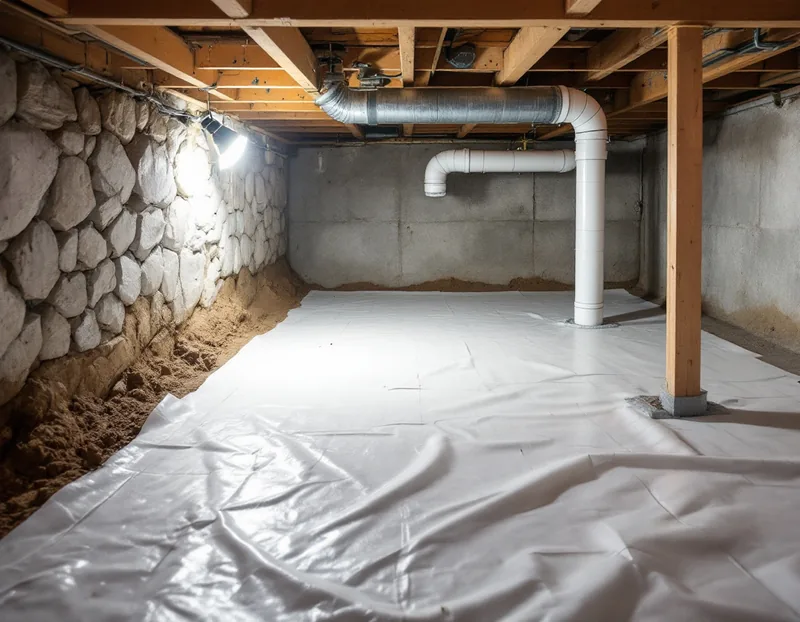
Our team specializes in designing custom radon mitigation systems tailored to your home's specific foundation type, soil conditions, and radon concentration levels. The most common and effective method we use is active sub-slab depressurization (ASD), which involves creating a suction point beneath your concrete slab or basement floor and drawing radon-laden air through sealed PVC piping to a vent above your roofline. This approach prevents radon from ever entering your living space and is the gold-standard method endorsed by the EPA and the American Lung Association, and the active soil depressurization system the South Dakota Department of Agriculture and Natural Resources (DANR) describes for homeowners.
We also have experience mitigating homes with crawlspace foundations, slab-on-grade construction, block wall foundations, and combination foundation types. Every home presents unique challenges, and we assess each property individually to determine the most effective system design. Our goal is always the same: bring your radon levels well below 4 pCi/L and verify the results with post-installation testing.
How to check if your existing system will pass inspection
Check the system's most recent radon test date first. If it has been more than 2 years, test again before assuming the system still works.
Beyond the test date, a few checks confirm whether a mitigation system is still doing its job:
- Confirm the system uses soil suction, drawing radon from below the house and venting it above the roofline, rather than a method that has since failed or been altered.
- Look for sizable openings to soil in the slab or crawlspace membrane that could let radon bypass the system.
- Check whether foundation vents can be closed even though the system depends on them staying open.
- Verify pipe routing does not block a building exit needed for fire and safety.
A homeowner or general inspector can walk through this list. For a formal compliance check, a National Radon Proficiency Program Soil Gas Mitigation Compliance Inspector evaluates the system against the ANSI/AARST SGM-SF Soil Gas Mitigation Standards for existing homes and documents any deficiencies.
The result that matters most is the number. A post-mitigation radon test confirms whether the system is actually holding levels down, and our radon testing services cover the initial test if you do not have current results.
To have your Rapid City system checked, call (605) 640-5642 or use the Contact page.
Sources
- INSPECTION LIST FOR EXISTING RADON MITIGATION SYSTEMS - nrpp.info
- Mitigation Compliance Inspections - Perfect for Home Inspectors - aarst.org
Mitigation Methods We Use
While sub-slab depressurization is the most widely used approach, we employ multiple methods depending on your home's construction:
- Active Sub-Slab Depressurization (ASD) — The primary method for homes with basements or slab foundations. A radon fan creates negative pressure beneath the slab to intercept gas before it enters.
- Sub-Membrane Depressurization — Used for crawlspace homes. A heavy-duty vapor barrier is sealed over exposed soil, and suction is applied beneath the membrane.
- Block Wall Suction — Applied to hollow block foundations where radon can travel through the block cavities. Suction is applied directly to the wall to capture gas inside the blocks.
- Sealing and Caulking — Supplemental method used alongside active systems. We seal cracks, gaps around pipes, sump lids, and other foundation penetration points to maximize system efficiency.
Benefits of Professional Radon Mitigation
- Guaranteed reduction below 4 pCi/L — or we re-engineer the system at no cost
- Most systems installed in a single day (4–6 hours)
- Post-mitigation testing included to verify results
- Quiet, energy-efficient radon fans with manufacturer warranties
- Clean, professional installation with minimal disruption
- Increases home value and eliminates buyer concerns during resale
Our Mitigation Process
From initial assessment to verified results, our streamlined process makes radon mitigation hassle-free.
Free Inspection
We evaluate your foundation, test results, and home layout to design the optimal system.
System Installation
Our crew installs the complete mitigation system, typically finished in 4–6 hours.
Sealing & Testing
All entry points are sealed. We place a post-mitigation test to confirm levels are below 4 pCi/L.
Verified Results
We deliver a certified test report showing your new radon levels. Your home is safe.
Get a Free Radon Mitigation Estimate
If your home has tested above 4 pCi/L, there is no reason to wait. Every day without mitigation is another day of unnecessary radon exposure for your family. We provide free on-site estimates with transparent, upfront pricing and no hidden fees. Call us today at (605) 640-5642 to schedule your consultation.
Get Free Estimate