Fall River County’s Radon Risk: What Hot Springs Homeowners Need to Know
Hot Springs is the county seat of Fall River County, a small but historic community of approximately 3,500 residents tucked into the southern Black Hills of South Dakota. Famous for its naturally heated mineral springs, the city draws visitors from around the world to attractions like The Springs (formerly Evans Plunge), the Mammoth Site of Hot Springs — one of the most significant Pleistocene paleontological sites in the Western Hemisphere — and the Hot Springs VA Medical Center that has served veterans since 1907. It is a community defined by its geology, and that same geology is responsible for a serious indoor air quality threat: radon gas.
Fall River County is classified by the EPA as Zone 1 for radon, meaning that the predicted average indoor screening level exceeds 4 pCi/L — the threshold at which the EPA recommends mitigation. This designation places Hot Springs among the highest-risk areas in the entire country for residential radon exposure. Every home in the community should be tested, regardless of age, construction type, or foundation style.
Southern Black Hills Geology and Radon Pathways
The geological conditions around Hot Springs are unique even by Black Hills standards. The city sits in a valley carved by the Fall River, where ancient sandstone formations — including the Minnekahta Limestone and Spearfish Formation — overlie uranium-rich Precambrian basement rock. Over millions of years, groundwater has dissolved channels and fractures through these layers, creating the warm mineral springs that give the city its name. These same geological pathways that carry heated water to the surface also serve as efficient conduits for radon gas, allowing it to migrate upward through the soil column and into residential structures at concentrations well above safe levels.
The presence of warm springs is itself a geological indicator of subsurface permeability. Where water can travel freely through fractured rock, so can soil gases. Homes built near the Fall River valley floor, along the creek banks, and throughout the older residential neighborhoods of Hot Springs are particularly vulnerable because they sit directly above these natural migration pathways. The sandstone and limestone substrates that define the area are porous enough to allow radon to accumulate in the soil beneath foundations before entering through cracks, gaps, sump openings, and utility penetrations.
Older Homes, Harsh Winters, and Concentrated Radon
Much of the housing stock in Hot Springs dates back decades, with many homes built on shallow foundations, crawlspaces, or partial basements that sit close to the native soil. These older construction methods provide minimal barriers to radon infiltration. Stone and block foundations common in the historic district are especially prone to radon entry through deteriorating mortar joints and unsealed floor-wall connections. Even slab-on-grade homes in the area can accumulate dangerous radon levels when the underlying geology is this active.
South Dakota winters compound the problem significantly. When temperatures drop below freezing for weeks at a time, homeowners seal their homes tightly to conserve heat. This creates a strong thermal stack effect — warm air rising inside the home generates negative pressure at the lowest levels, actively drawing radon-laden soil gas in through every available opening in the foundation. Without mechanical ventilation or an active mitigation system, radon concentrations build continuously throughout the heating season, exposing families to cumulative doses of radioactive gas month after month.
Radon Services We Provide in Hot Springs
We serve all of Hot Springs and Fall River County with professional radon testing and mitigation. Our technicians understand the specific geological challenges of the southern Black Hills and design custom systems for every property we work on — from historic homes downtown to newer construction along the Highway 18 corridor.
Protect Your Hot Springs Home — Get Tested Today
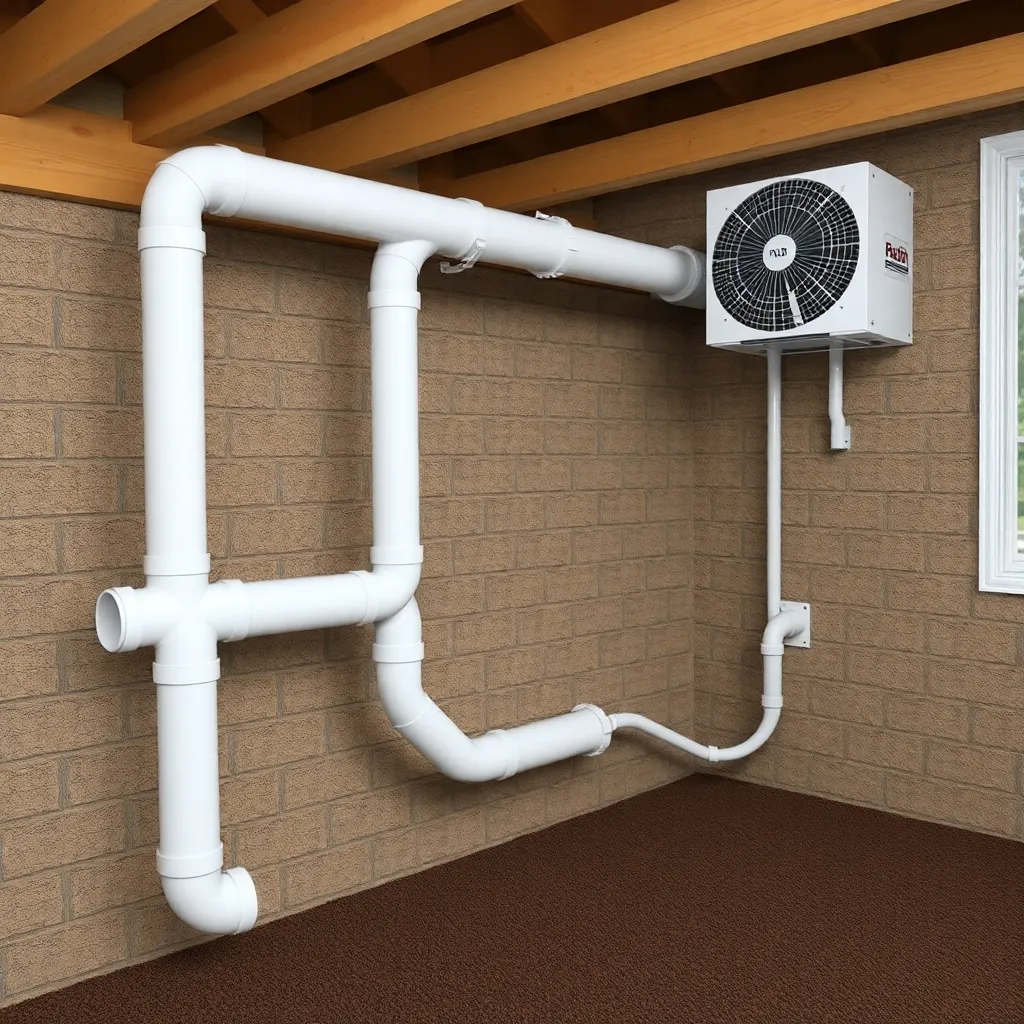
Hot Springs offers a quality of life that is hard to match: natural warm-water pools, world-class paleontology, a vibrant arts community, and the quiet beauty of the southern Black Hills. That quality of life should extend to the air inside your home. Radon mitigation systems are quiet, affordable, and effective — reducing dangerous gas levels by up to 99% in most homes. We offer free estimates, same-day appointments when available, and guaranteed results below the EPA action level. Take the first step toward safer indoor air by calling (605) 640-5642 today.