Post Mitigation Testing in Rapid City, SD
Verify that your radon mitigation system is performing as designed. Follow-up testing is included with every system we install.
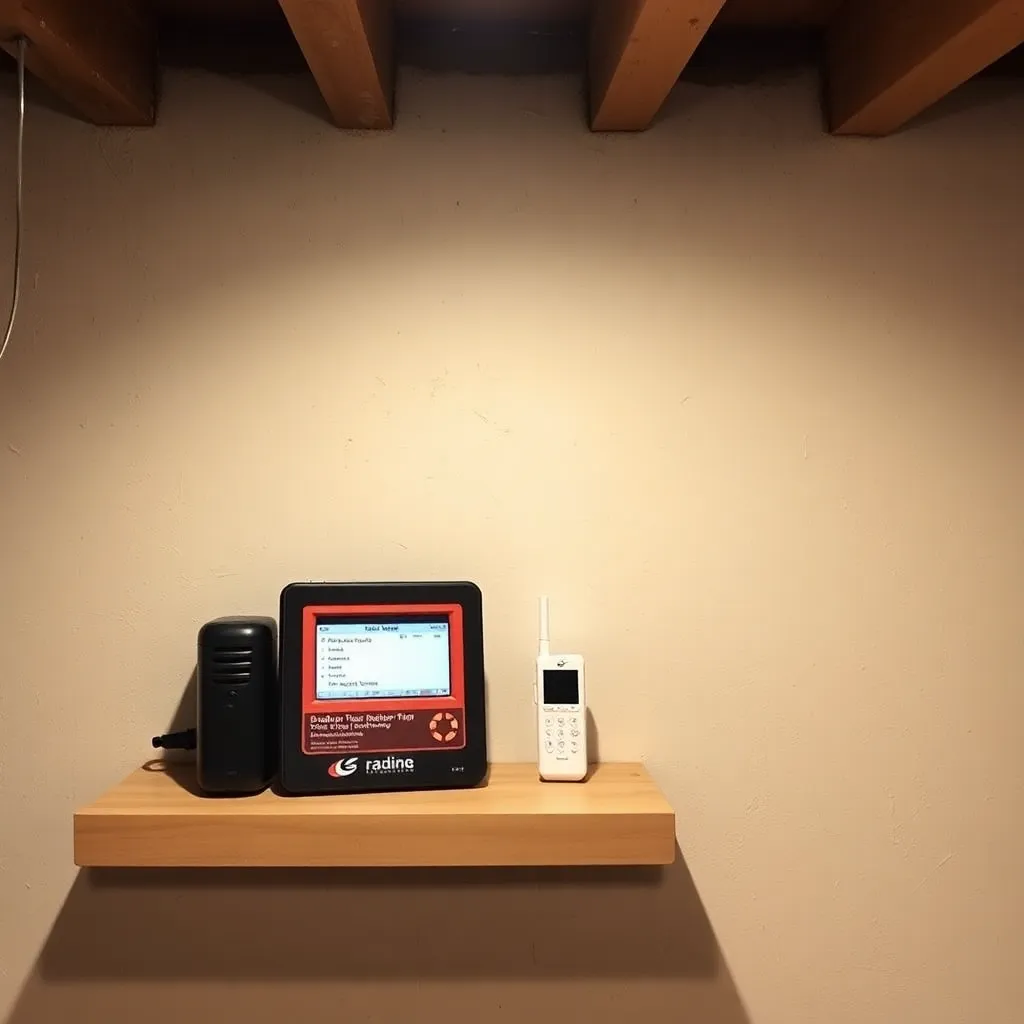
Verify that your radon mitigation system is performing as designed. Follow-up testing is included with every system we install.
Installing a radon mitigation system is only half of the equation. The other half is verifying, through certified testing, that the system is actually reducing your indoor radon concentration to safe levels. Post mitigation testing is the final and essential step that confirms your home is protected. Without this verification, you have no way of knowing whether the system is performing to specification or whether additional adjustments are needed.
The EPA and the American Association of Radon Scientists and Technologists (AARST) both recommend that a post-mitigation radon test be conducted within 24 hours to 30 days after a new mitigation system is activated, and then again every two years thereafter. This initial test establishes a performance baseline for your system, while periodic re-testing ensures that performance remains consistent over the long term.
At Badlands Radon, we include post-mitigation testing at no additional charge with every system we install. We believe that a mitigation installation is not complete until we have documented proof that your radon levels are safely below the EPA action level of 4 pCi/L. This commitment to verification is what backs our performance guarantee — if post-mitigation testing shows levels above 4 pCi/L, we modify or upgrade your system at no cost until the results are satisfactory.
There are several specific situations where post mitigation testing is necessary or recommended:
Our post-mitigation testing process is identical to our standard radon testing protocol. We use calibrated continuous radon monitors (CRMs) that record hourly radon concentrations over a minimum 48-hour testing window under closed-house conditions. This provides detailed data rather than a single average, allowing us to identify any patterns or anomalies in your home's radon levels. The test is placed in the lowest livable area of your home, which is where radon concentrations are typically highest.
After the monitoring period, we retrieve the device and generate a comprehensive report showing your hourly readings, the 48-hour average, and our assessment of system performance. If levels are below 4 pCi/L (and our systems typically bring levels well below 2 pCi/L), the installation is confirmed successful and you receive documented proof that your home is safe.
Unlike some companies that charge separately for post-mitigation testing, we include it with every system installation as a standard part of our service. We believe that testing is not an optional add-on — it is the proof that the work we did is actually protecting your family. Here is what is included at no additional cost:
We allow 24–48 hours after system activation for the depressurization field to fully establish before placing the test.
A certified CRM is placed in the lowest livable area under closed-house conditions for a minimum of 48 hours.
We retrieve the monitor and analyze the hourly data, calculating the average and reviewing the reading profile.
You receive a detailed report confirming your levels are below 4 pCi/L. If not, we adjust the system at no charge.
Whether you need a follow-up test after a new installation, a biennial re-test, or testing after a fan replacement or renovation, we are here to help. Our certified testing provides the documented proof you need that your home's radon levels are safe. Call us at (605) 640-5642 or request your test online.
Schedule TestingWhen it comes to post mitigation testing in rapid city, sd, experience and reliability matter. Our licensed and insured team brings years of local expertise to every job. We show up on time, communicate clearly, and stand behind every project we complete.