Sub Slab Depressurization in Rapid City, SD
The gold-standard method for radon reduction. Sealed, engineered systems that create negative pressure beneath your foundation to stop radon at its source.
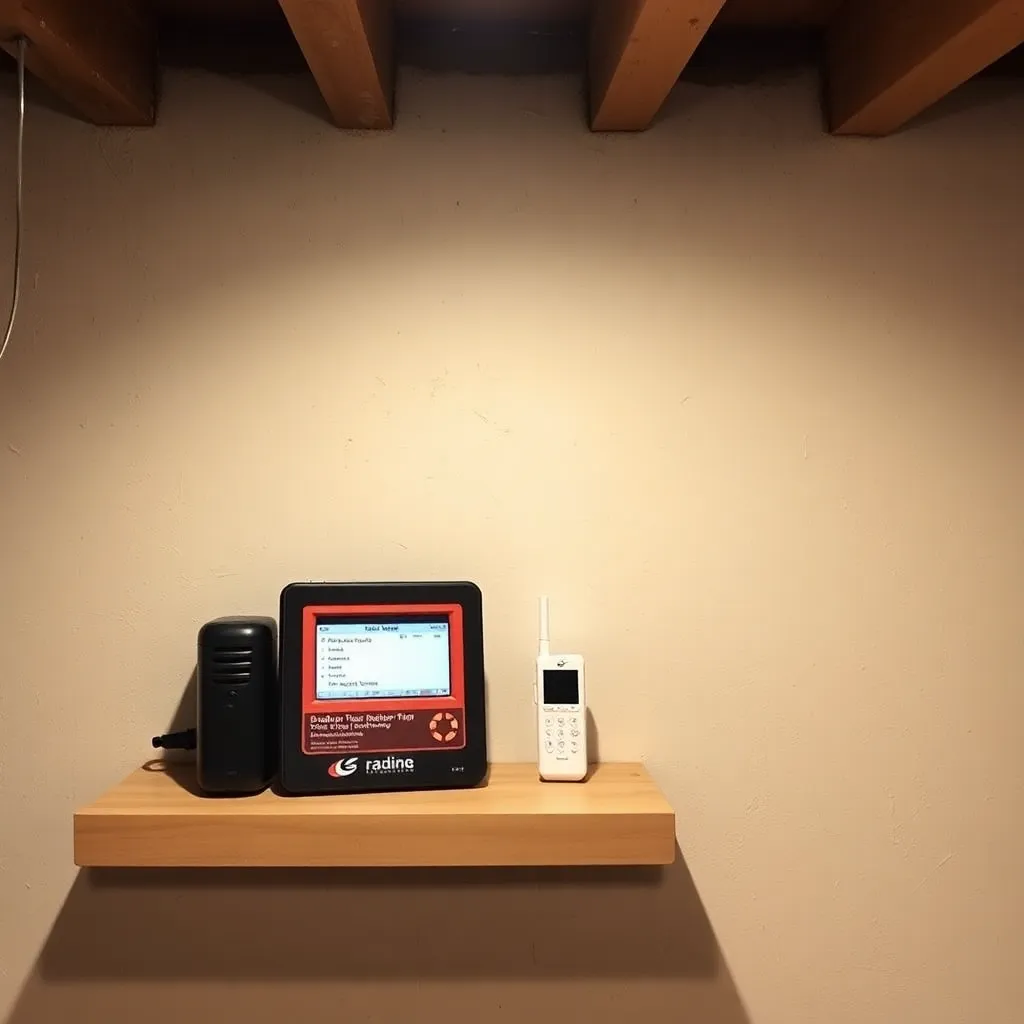
The gold-standard method for radon reduction. Sealed, engineered systems that create negative pressure beneath your foundation to stop radon at its source.
Sub slab depressurization (SSD), also called active soil depressurization (ASD), is the most effective and widely recommended method for reducing indoor radon concentrations. It is the approach endorsed by the EPA, the American Association of Radon Scientists and Technologists (AARST), and the South Dakota Department of Health as the primary technique for residential radon mitigation. In Rapid City and across the Black Hills region, SSD is the method we use for the vast majority of our installations because it consistently delivers the best results across a wide range of soil types and foundation constructions.
The principle behind SSD is straightforward but powerful. Radon enters your home because the air pressure inside your basement or lowest level is typically lower than the pressure in the soil beneath and around your foundation. This pressure differential draws soil gases, including radon, upward through cracks, joints, pipe penetrations, and porous concrete. An SSD system reverses this dynamic by creating an area of negative pressure (a vacuum) beneath your slab that is lower than the indoor pressure. This means soil gases are pulled downward and away from your home rather than upward and into it.
To create this negative pressure field, we core a hole through your concrete slab (typically 4 inches in diameter), excavate a small suction pit in the sub-slab material, and insert a section of PVC pipe. This pipe is connected to a continuous run of Schedule 40 PVC that routes through your home's interior (or along the exterior) and terminates above the roofline. An inline radon fan, mounted in the attic or on the exterior wall, provides continuous suction that maintains the negative pressure field 24 hours a day. Radon gas collected beneath the slab is drawn up through the piping and exhausted safely into the open atmosphere above the roof, where it dilutes to undetectable levels within seconds.
Sub slab depressurization has earned its reputation as the gold-standard radon mitigation method for several important reasons:
A critical component of any successful SSD installation is thorough sealing of the foundation. While the suction point and fan provide the primary radon reduction, sealing visible cracks, control joints, the slab-to-wall joint (cold joint), pipe penetrations, and sump pit lids significantly enhances system performance. Sealing reduces the amount of conditioned air the system pulls from your living space, which improves energy efficiency, and it eliminates secondary radon entry pathways that could bypass the suction field.
We use commercial-grade polyurethane caulk for all sealing work because it remains flexible over time and can accommodate the natural expansion and contraction of concrete through temperature changes. For sump pits, we install sealed, gasketed lids that maintain the negative pressure field while still allowing the sump pump to function normally.
We perform sub-slab communication testing to determine how easily air moves beneath your slab and identify optimal suction point locations.
We core through the slab, excavate a suction pit in the sub-slab aggregate, and prepare for pipe insertion.
PVC is routed to the exhaust point. The fan is mounted and all foundation cracks and penetrations are sealed.
The system is activated, the manometer is installed, and a post-mitigation test confirms radon is below 4 pCi/L.
Sub slab depressurization is the most reliable way to protect your Rapid City home from radon. If your test results show levels at or above 4 pCi/L, contact us for a free on-site assessment and estimate. We will design and install a system that brings your levels well below the EPA action level — guaranteed. Call (605) 640-5642 today.
Get Free EstimateWe follow a proven step-by-step process on every sub-slab depressurization job. Our team is licensed, insured, and committed to quality on every project.